
 Back
BackHe Turned Down Harvard and Yale What Howard University Refined in Athar Haseebullah
by, Admin
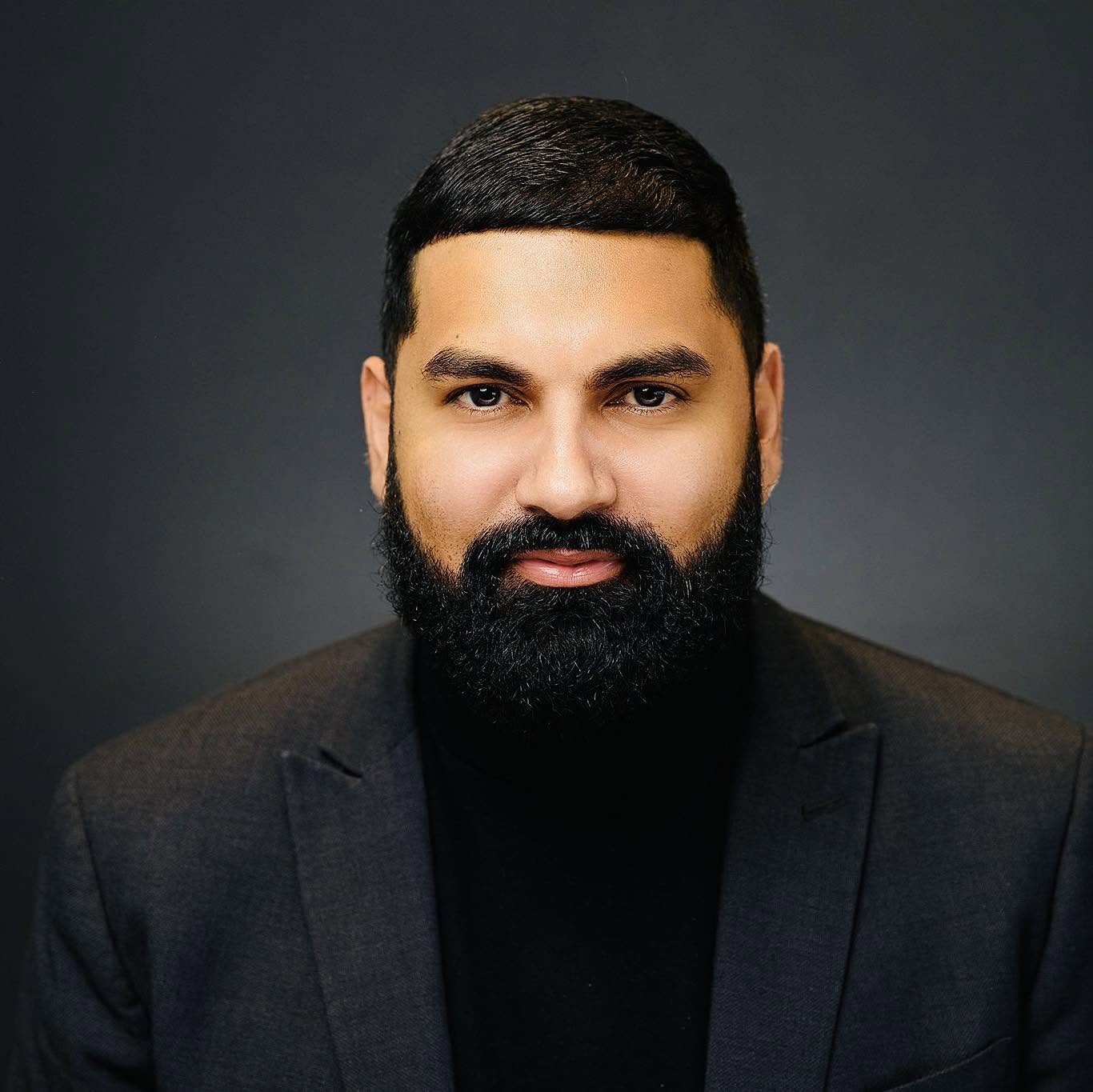
August 05, 2026Athar Haseebullah was sixteen years old the first time police put hands on him, and he wasn’t the one who started it. He was standing at a gas station in Las Vegas when a drunk man called him a slur and shoved him. Haseebullah pushed back. The man fell. When the police arrived, they decided Haseebullah was the aggressor, not the grown man who had been drinking, not the man who threw the first punch, but the sixteen-year-old Muslim kid whose family had already spent years living under the shadow of suspicion after September 11. That’s the story Haseebullah tells when people ask how he ended up leading the ACLU of Nevada. Not a courtroom. Not a law school classroom. A gas station. It matters because institutions don’t shape people in isolation. They meet them wherever life has already begun shaping them.
Haseebullah arrived at Howard University carrying experiences that many people spend a lifetime trying to explain. Howard didn’t give him those experiences. It gave him a language for them. Growing up, he was often the only Muslim student in his class at Bishop Gorman High School. At fourteen, he watched his mosque receive threatening voicemails after 9/11. During those same years, he lost his father, a loss he has spoken about publicly as one of the defining moments of his life. Looking back, he has described those years not as the period that hardened him, but as the period that made him more willing to speak.
That’s the version of Athar Haseebullah that existed before Howard. It’s also the version that makes his college decision worth paying attention to, because when acceptance letters from both Harvard and Yale arrived, he said no. He chose Howard University.
Too often, conversations about higher education reduce decisions like that to prestige, rankings, or return on investment. Those conversations miss something HBCUs have understood for generations: students don’t simply choose institutions because of what they offer. Sometimes they choose institutions because of what they understand. Howard became both his undergraduate home and his law school. He earned his bachelor’s degree in Political Science, graduating summa cum laude and Phi Beta Kappa, before continuing to Howard University School of Law. One institution carried him from his first political science lecture to the day he sat for the bar exam.
Howard’s law school has never taught students how to practice law. Its history is rooted in preparing lawyers to understand power itself. Charles Hamilton Houston didn’t build one of the nation’s most influential legal traditions so graduates could collect credentials. He built it to produce advocates capable of confronting institutions that had long operated without accountability.
For someone whom those institutions had already misjudged, Howard didn’t inspire conviction; he redeveloped it and gave it institutional language grounded in his lived experience. The years after graduation weren’t glamorous. He moved through Legal Aid Center of Southern Nevada, the City of New York, the Regional Transportation Commission, and Opportunity 180 before taking on roles in government affairs and, eventually, general counsel. None of those positions were designed to make someone famous. They were designed to teach someone how organizations actually function, how policy becomes practice, and how leadership decisions ripple through communities.
In January 2021, at just thirty-three years old, Haseebullah became Executive Director of the ACLU of Nevada, becoming the first person of color to lead the affiliate since its founding in 1966. The office he now leads sits only a few miles from the neighborhoods where he first experienced racism, religious discrimination, and the frustrations of watching immigrant families navigate systems that rarely seemed designed with them in mind.
Recognition followed: Attorney of the Year from the Las Vegas Chapter of the National Bar Association, National 40 Under 40 recognition, Vegas Inc. Top 40 Under 40, the Liberty Bell Award, and the NAACP’s Excellence in Advocacy Award. Today he leads a statewide civil liberties organization while continuing to serve his community through the Urban Chamber of Commerce, Alpha Phi Alpha, and the very mosque his family helped build years earlier.
At HBCUSHACK, the larger question begins. What exactly did Howard University produce? Not simply an attorney. Not simply an executive director. It produced someone who understood that institutions are never abstract. They are lived experiences: schools, courts, governments, neighborhoods, and communities. They can protect people. They can fail people. They can also be transformed by people willing to understand how they work.
That’s why Haseebullah’s story isn’t simply an alumni success story. It is institutional evidence. Howard University was founded to prepare people to confront systems that denied human dignity. Nearly a century later, that same institutional philosophy helped shape a Pakistani-American Muslim attorney whose career has been devoted to defending others’ constitutional rights. That isn’t an exception to Howard’s legacy. It’s one more expression of it. Institutions reveal themselves by the people they consistently produce.
Notes from the Yard is a profile series by HBCU Shack exploring how HBCUs shape leaders long after they leave the Yard, not simply through degrees, but through the institutional philosophies they carry into the world.
Sourcing note: Details regarding Haseebullah’s upbringing, the loss of his father, and his decision to attend Howard University over Harvard and Yale are drawn from his July 18, 2026 interview on Sticky Note Conversations (KUNV 91.5 FM, hosted by Erika Washington). His post-9/11 experiences and gas station encounter are drawn from a 2023 Las Vegas Weekly profile. Academic honors are confirmed through the records of Howard University’s College of Arts and Sciences Honors Program. Professional history and leadership appointments are drawn from the ACLU of Nevada’s official biography and 2021 announcement.